


 Tiếng Việt
In the digital age, selecting the right tools for web development can save time and significantly enhance performance and SEO. Next.js CMS stands out as a top-tier solution, combining high-speed web rendering with flexible content management capabilities. This article explores the key benefits of using Next.js CMS in modern web development.
1. What is Next.js CMS?
Next.js is a powerful React framework that supports both Server-Side Rendering (SSR) and Static Site Generation (SSG). When integrated with a CMS (Content Management System), it transforms into a robust tool that simplifies website content management while delivering outstanding performance. Popular CMS options that pair well with Next.js include Strapi, Sanity, and Contentful.
This combination empowers developers to create websites that are not only fast and secure but also highly optimized for search engines.

2. Unmatched Web Performance
Performance is a cornerstone of user experience. Next.js CMS excels in boosting website speed through:
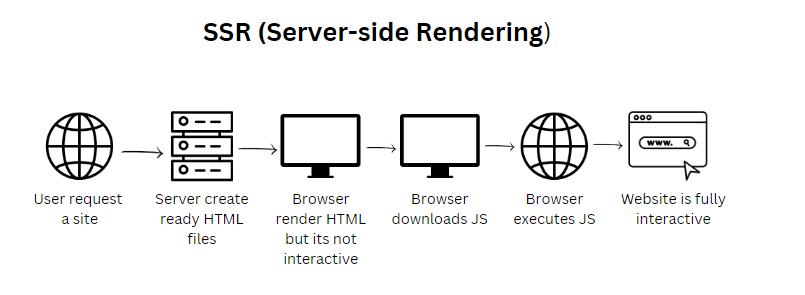
a. Server-Side Rendering (SSR)
With SSR, pages are rendered on the server before being sent to the browser. This ensures faster load times, especially for dynamic content-heavy websites like e-commerce platforms, blogs, or news portals.
b. Static Site Generation (SSG)
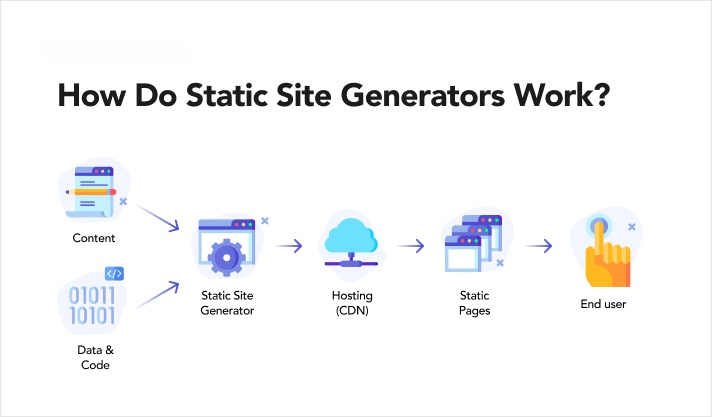
For less frequently updated pages, SSG pre-builds static pages, resulting in near-instant load times. This feature is a game-changer for performance-focused websites.
c. Optimized Code Splitting
Next.js automatically splits code into smaller bundles and loads only what’s needed, significantly reducing initial load times and enhancing the browsing experience.
3. SEO Optimization at Its Core
SEO is crucial for online visibility, and Next.js CMS offers advanced features to optimize your website for search engines:
a. Dynamic Meta Tags and Open Graph Integration
Next.js allows developers to dynamically generate meta tags and Open Graph tags for every page. This ensures accurate representation on search engines and social media platforms, boosting discoverability.
b. Canonical URLs for Duplicate Content
You can easily implement canonical URLs to avoid duplicate content issues and improve search engine rankings.
c. Automated Sitemaps and Robots.txt
With Next.js CMS, generating sitemaps and robots.txt files is seamless, making it easier for search engines like Google to crawl and index your content.
4. Flexibility and Scalability
One of the standout features of Next.js CMS is its flexibility. It allows developers to integrate plugins, APIs, or modern tools like GraphQL to expand functionality. This ensures that your website remains scalable and adapts to future business needs.
5. Enhanced User Experience
By combining fast load times, responsive designs, and customizable features, Next.js CMS ensures a seamless user experience across all devices. Whether your audience accesses your website on a smartphone, tablet, or desktop, the performance remains consistent and reliable.
Conclusion
Next.js CMS is an ideal solution for developers and businesses looking to build high-performance, SEO-optimized websites. Its combination of powerful rendering methods, SEO tools, and scalable architecture ensures that your website not only ranks higher on search engines but also provides an excellent experience for users.
If you’re looking for a web development solution that delivers both flexibility and efficiency, consider leveraging Next.js CMS to maximize your website’s potential.